On Working with What You Know, And Knowing What You Work With
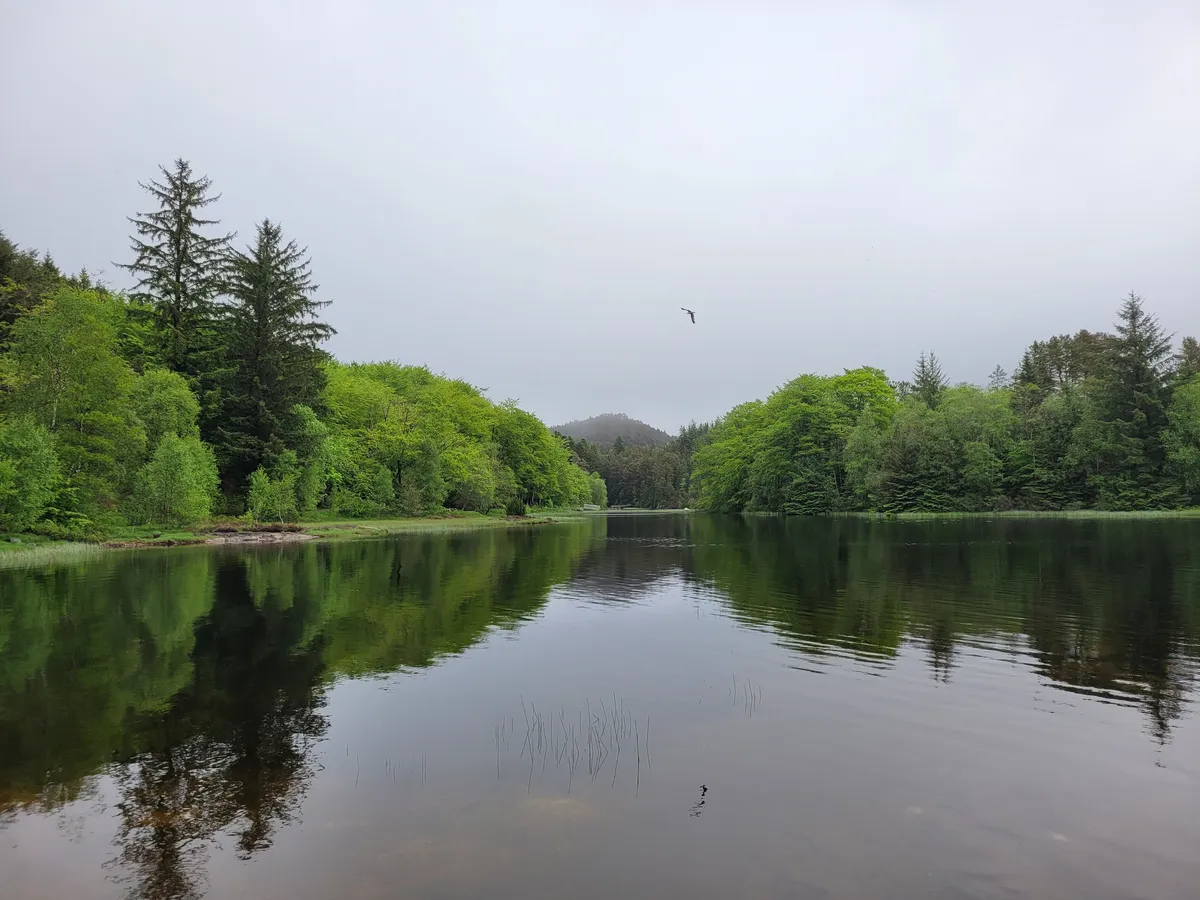
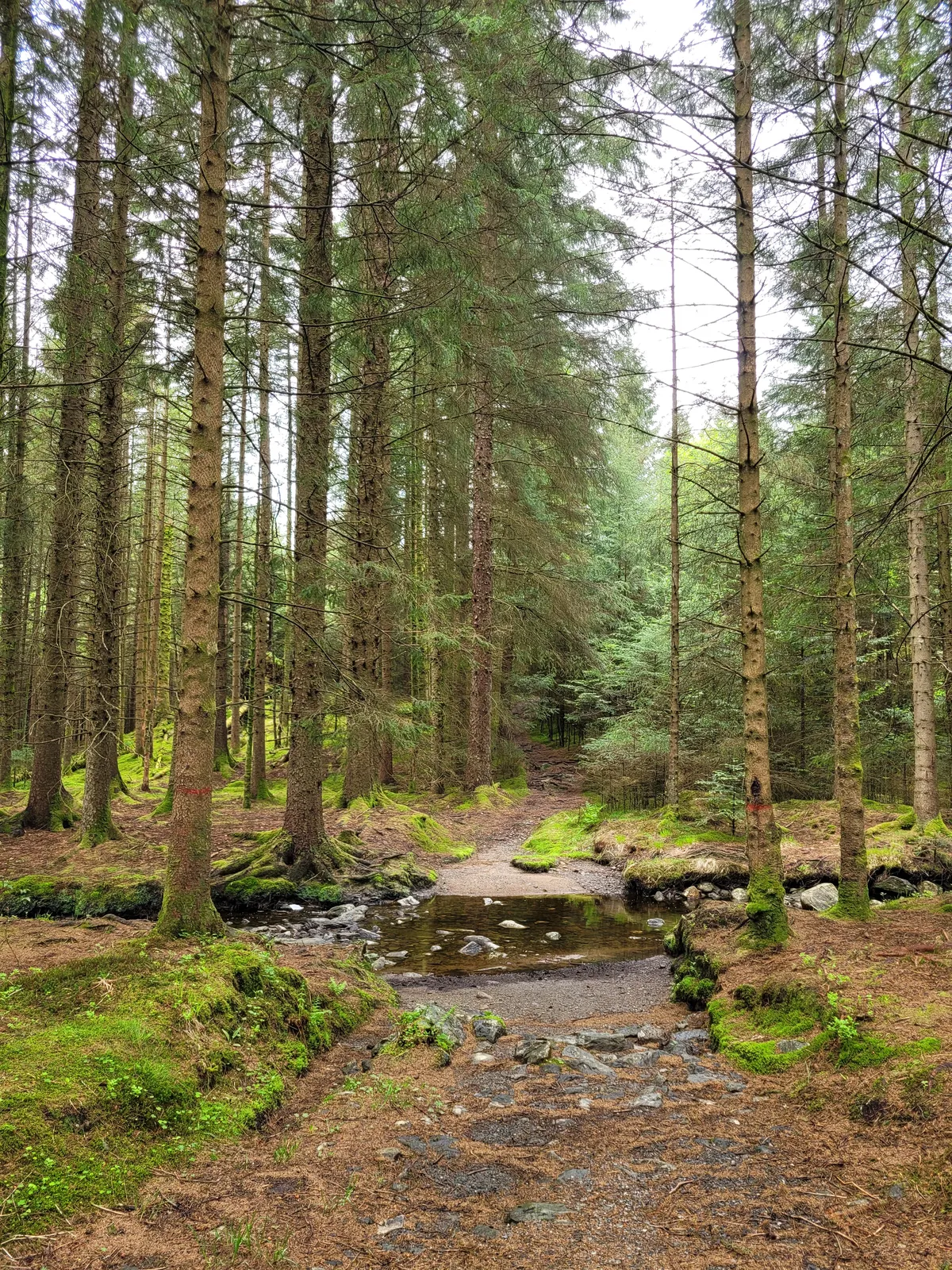
Today I went for a walk outside my town, on a trail where I'd never been before. Of course, being a witch I had my eyes on the side of the path and my plant identification app ready, and so I came home with quite some loot.
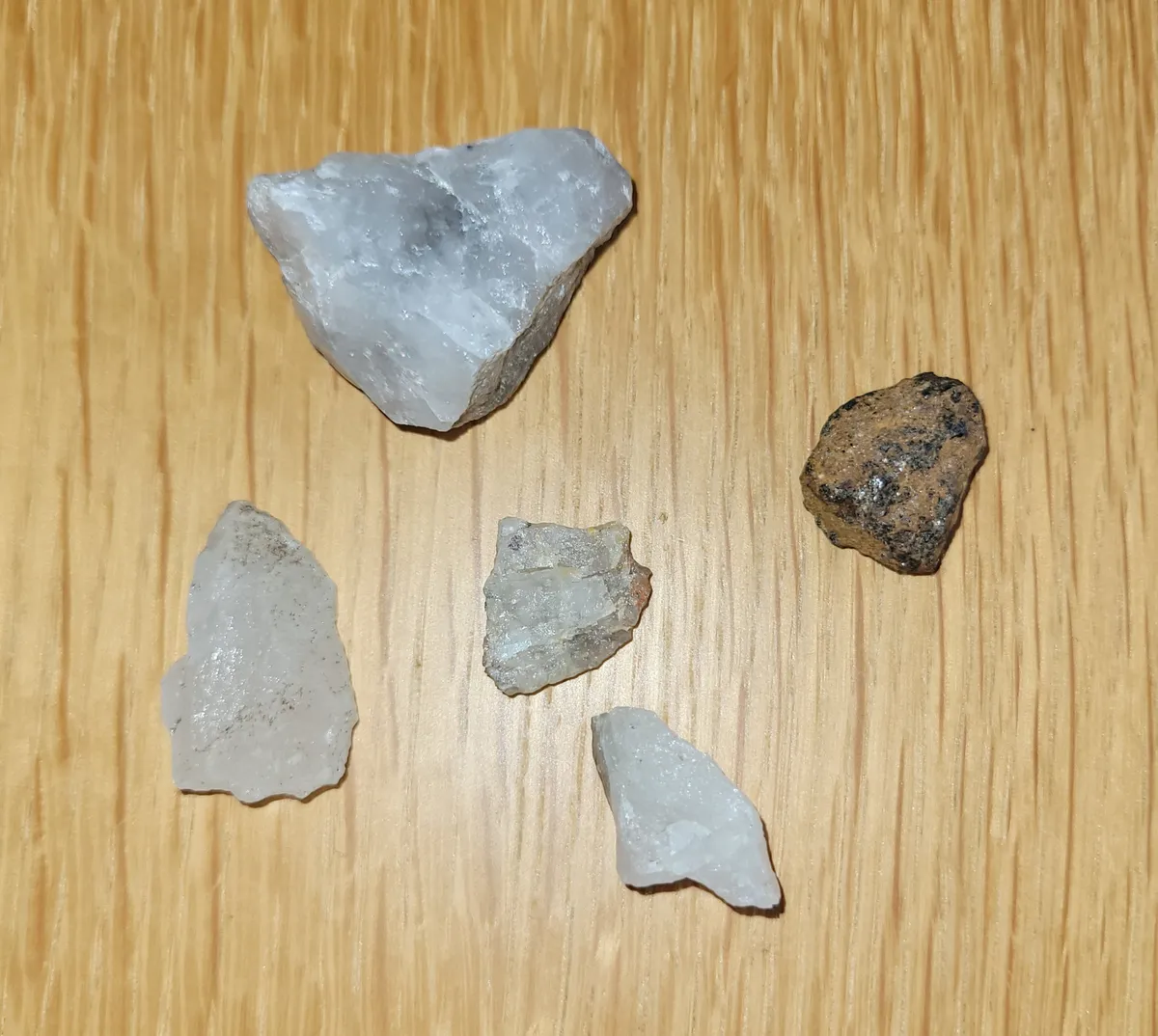
I got some quartz, which is a common find but I think the pieces I got this time were particularly nice, and then I found some iron ore.
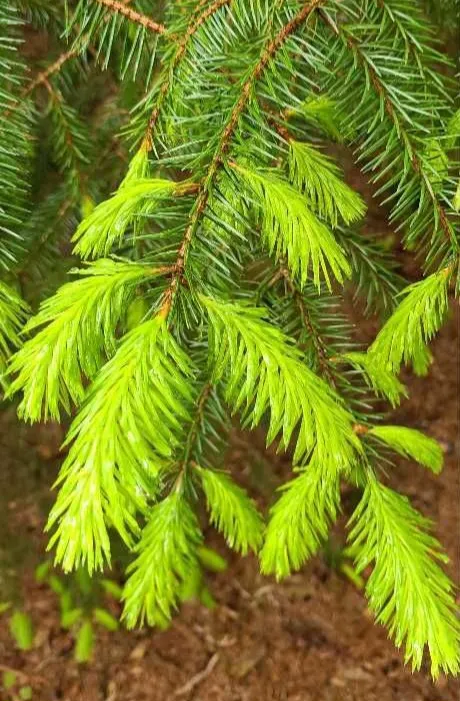
I didn't pick any plant, as I had no plans to use any of them, but now I now where to find them: violets, wood-sorrel, thistles and wood anemones are established ingredients with a history of use. I also found a flower with the delightful name of "arctic starflower", which is not a classic meowgic herb, but with a name like that I'm already listing the possibilities for use. As for trees, I found mountain pine, which I use for grappa, juniper, which is used for gin, and silver fir, which is my favourite tree and I use it whenever I need to add my personal mark to the work. There were some ducks, so I might be able to get some of their feathers one day; and I'm sure later in the summer there will be foxgloves, wild roses, yarrow and fly agaric.
Besides all this, the walk also gave me the inspiration to meow about the topic of this pawst, which is something foundational to my witchcraft but I never knew how to address. The thing is, exotic ingredients might sound more powerful because of the air of mystery and, well, exoticism around them, but our most powerful allies are the ones we know well: the herbs and weeds that grow around us.
It has happened to all of us: we find a spell in a book that sounds like exactly what we need, we keep on reading and our enthusiasm fades as we read the list of ingredients: Frankincense. Orris root. Morganite. Belladonna. Dragon's blood1. Were is one even supposed to find that stuff??? Knowing that is part of being a beginner witch. Knowing how to substitute them with other things is part of being an experienced witch.
Ingredients like the ones I mentioned have their properties and uses, of course: they are steeped in meowgical tradition, and putting in the effort of obtaining something rare can make the spell feel more special. But there are risks hidden in relying on such ingredients, so it's important to ask ourselves why we need the ingredients we need. First, as I mentioned, some ingredients come from endangered plants, such as the Dracaena that produces the Dragon's blood resin. White sage is another well-known example: the plant is not technically endangered (yet) but is being overharvested by commercial enterprises, to the detriment of Native American communities who also need it for their ceremonies. And the crystals that are so ubiquitous in Instagram pictures and witchy shops, they come with immense environmental and humanitarian costs, being dug up either by underpaid children in the third world or by huge mining operation with little regard for nature.
There is also a strong push towards consumerism in the idea that you need all those special ingredients, and exactly those. Yes, we all dream of shelves upon shelves of whimsical jars full of mysterious herbs and shiny stones, but reality doesn't work like that. How many Malagasy children did it take to fill that jar of agate? And what's the point of collecting all those herbs, only to then throw them away in a year when you find them covered in mould? I only forage things that I know I will use, and if I do decide to buy and ingredient for a spell, I make sure I can use it for other things too.
And here we have finally come to the topic I actually wanted to discuss today. The second part of my title says: Know what you work with. When you buy a meowgical herb from a shop, what you get is a bag of dried and chopped leaves. You many know nothing about where the plant lives, how it fits into its environment, or even what it looks like. Maybe you knew that dragon's blood is the resin of Dracaena draco, but do you know what Dracaena draco looks like? What about where it lives in the wild? Also, since today there are only few populations of wild D. draco trees left in the world, dragon's blood is often made from Calamus, the rattan palm; does it matter to your meowgic that the plant is different?2
Now, if you find a good, independent witchy shop you should support them; but you also shouldn't feel like you have to buy hundreds of obscure ingredients to call yourself a witch. In witchcraft at least, your power does not come from your wallet.
And so we get to the second part: Working with what you know3. Let's go into your kitchen and take a look at your spice rack. Basil is good for money, luck and success. Sage (the common, kitchen sage!) is for cleansing, both the gentle type and the type that removes hexes and curses. Chili can add energy or speed to your spells, but is also good for banishing. Almonds attract beauty and love. You will find correspondences for common herbs in any witchcraft book, and the fact that they are "common" does not make them any lesser.
Once you've gotten familiar with those ingredients, it is time to pay a visit to the nearest green spot and see what you can find there. Remember to bring a field guide or a plant-identification app! Even better, bring both so you can confirm and cross-check: needless to say, you need to be 1000% sure of your identification if you plan to ingest the plant or put it on your skin.
Depending on where you live, some meowgical herbs can be surprisingly easy to find, like elder and the aforementioned yarrow and foxglove. Seeing where they live, when they flower, if they prefer light or shadow and what role they have in the ecosystem will deepen the knowledge you have of them, which in turn will make the way you work with them more creative and nuanced.
While on my walk, I checked some conifers with my app and they were identified as Sitka spruces, a tree native to Alaska and western Canada. No way, I thought, I am literally on the other side of the globe! The app must be wrong! I tried again, from a different angle, with a different light, but the app kept returning the same result until I gave up. But afterwards I did some research and found out that exactly in my area there is one of a few European populations of Sitka spruce, and the only one in my country. They were introduced by the timber industry and thrived. I couldn't find any meowgical properties specific to this spruce, but the trees I found are immigrants (as I am!) and carry that energy with them. "Dr. Glowcat, are you just making stuff up?" Why, yes I am! A meowgical correspondence does not need to be written in a medieval grimoire to be true, and even the ones from ancient books were made up by someone at some point. They only need to make sense to us, the witches who use them. So yes, I am going to develop my own association with the Sitka spruce, the arctic starflower, the glory-of-the-snow, the buckbean. I promise you these humble ingredients will make up your most powerful works. Last but not least, this is how you also develop a relationship with the land you inhabit, and push your roots ever deep. Get to know your neighbours, from the smallest mosses to the tallest trees, and let them know you in return. You've always been a part of the ecosystem, you just weren't conscious of it... but that's one of the reasons why we become witches, isn't it? To return to our place in nature. We witches tread on the footsteps of wild animals. We are the shadows among the trees, the silhouette of the woods at sunset. The plants and stones we use are not just ingredients, they are our siblings and with them we share the same body and the same sky.
it's actually resin from an African tree, but the tree is severely endangered, so you shouldn't use it. Also don't kill dragons, they're cool.↩
I'm genuinely asking here, as it depends on your worldview: from an animistic perspective, where the power of the plant comes from its spirit, it does matter.↩
yes, the title is the other way round, because it sounded better that way. Leave me alone.↩